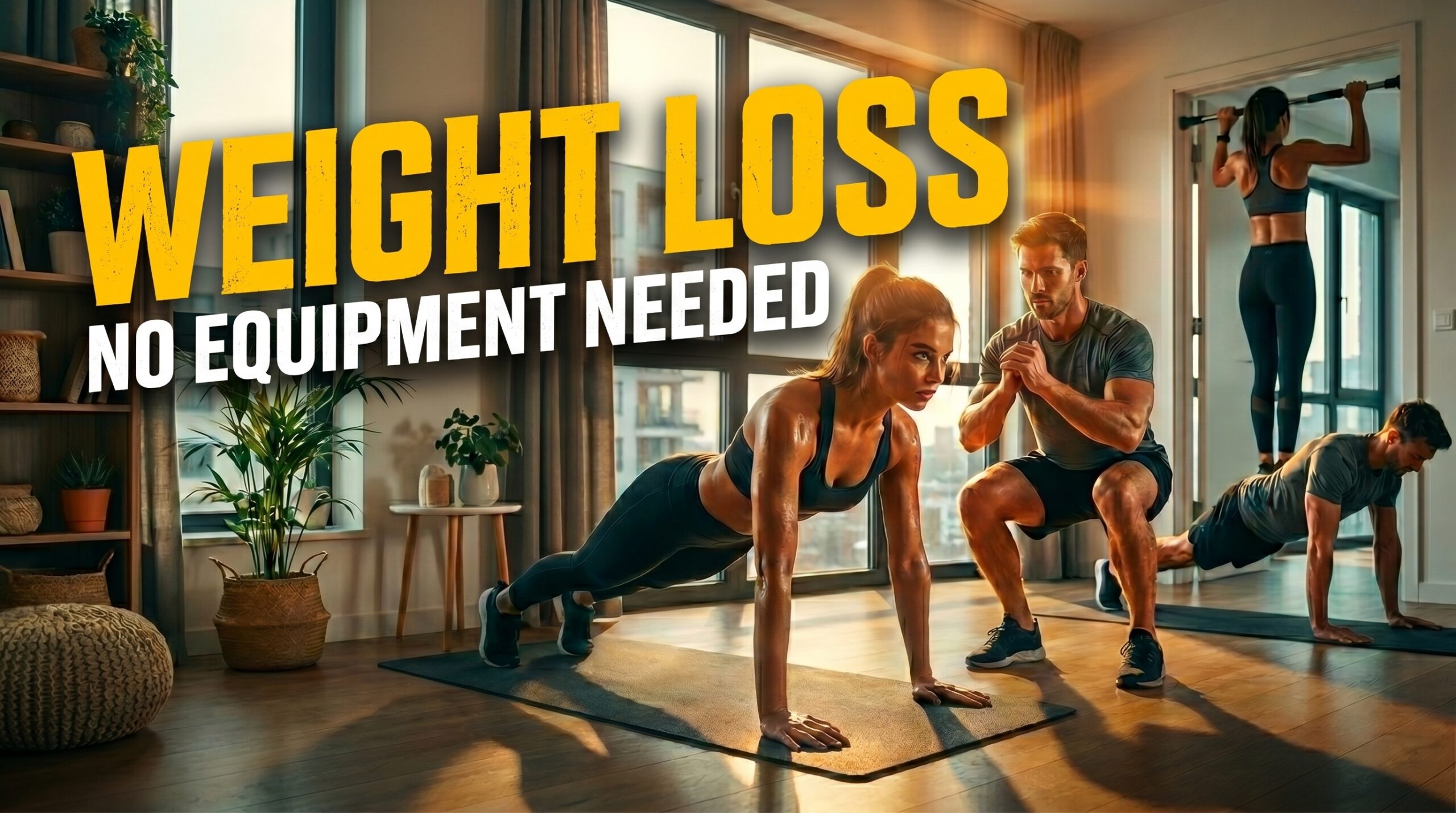
By Health Fitness Aura Fitness Team | 15+ Years Clinical Training Experience | Updated May 2026 | 13 min read
⚠️  MEDICAL DISCLAIMER


The information provided in this article is intended for general educational and informational purposes only. It does not constitute medical advice, diagnosis, or treatment. Always consult a qualified healthcare professional, registered dietitian, or certified fitness expert before making significant changes to your diet, exercise routine, or health management plan.
Individual results vary. The experiences and outcomes described on this site are not guaranteed and may not reflect typical results. Health Fitness Aura content is written by experienced fitness and nutrition professionals and is reviewed for accuracy against current peer-reviewed research.

📚 Evidence-based content      ✅ Professionally reviewed      🔄 Regularly updated
The first time I watched someone do a muscle-up, I was convinced I was looking at a different species.
I was twenty-three, fresh out of university, and I had walked into a park to find a man doing movements on a pull-up bar that should not have been physically possible. He was not particularly big. He was not a gymnast. He was just someone who had spent a long time learning how to use his own body.
That afternoon changed how I thought about fitness. Not because I suddenly wanted to do muscle-ups — I did not — but because I realised that bodyweight training had a depth to it that most gym programs never touched. Fifteen years later, calisthenics is still the starting point I recommend to almost every beginner who comes to me. The reasons have only grown stronger.
The research has caught up with what practitioners have known for decades: calisthenics builds genuine, transferable strength. A 2025 randomised controlled trial published in PubMed found that twelve weeks of calisthenics training produced significant improvements in flexibility, cardiovascular endurance, grip strength, leg strength, and back strength in adults with obesity. Not slightly. Significantly. These are the kinds of results most people spend months chasing in commercial gyms.
This guide gives you a complete four-week beginner plan, the science behind why it works, and every practical detail you need to start today. No equipment required. No gym membership. No experience necessary.
What Calisthenics Actually Is — And Why It Works
The word comes from the Greek kalos, meaning beauty, and sthenos, meaning strength. The combination makes sense once you have trained this way for a while — calisthenics at its best looks effortless and powerful at the same time.
In practical terms, calisthenics is strength training that uses your own bodyweight as resistance. Push-ups, squats, lunges, planks, dips, rows, and their many progressions all fall under this umbrella. No weights required. No machines required. The only tool is your body, and the only resistance is gravity.
What makes calisthenics different from casual bodyweight exercise is the principle of progressive overload. In a gym, you add weight to the bar. In calisthenics, you progress by making the movement itself more challenging — going from a standard push-up to an archer push-up, or from a regular squat to a single-leg squat. The training stimulus is equally powerful. The progression is just more creative.
What the research says
A PubMed study on progressive calisthenic push-up training found that calisthenics produced significant increases in one-rep maximum bench press strength — comparable to traditional bench press training over the same period. This was the first study to formally demonstrate that progressive calisthenics can build upper-body strength as effectively as weighted gym training.
A second landmark study — a 2025 randomised controlled trial — followed adults with obesity through a 12-week calisthenics programme and measured outcomes across five fitness dimensions. Every single marker improved significantly: flexibility, cardiovascular endurance, grip strength, leg strength, and back strength. Furthermore, the improvements were achieved without any gym equipment at all.
| Key insight: Calisthenics builds what coaches call relative strength — strength relative to your own bodyweight. This transfers directly to daily movement, athletics, and injury prevention in ways that isolated machine exercises often cannot replicate. |
Why Calisthenics Is Ideal for Beginners Specifically
I want to be direct about this, because there is a persistent myth that calisthenics is for advanced athletes. It is not. In many respects, it is the most beginner-friendly form of strength training available.
- The learning curve and strength curve move together. As you learn the movement pattern, your body simultaneously gets stronger in it. There is no wasted effort. A beginner doing push-ups is both learning to push correctly and building the chest, shoulder, and tricep strength needed for harder variations. These develop in parallel.
- The injury risk is lower than weighted training. Beginners lifting weights before their movement patterns are solid is one of the most common sources of injury in fitness. Calisthenics forces you to control your own bodyweight first. The loads are inherently safer for joints, tendons, and the spine during the early stages of training.
- You can train anywhere, any time. The consistency barrier — not the effort barrier — is what kills most beginner fitness attempts. When you need zero equipment and zero commute, the friction to starting disappears. Your living room floor is enough.
- Progression is visible and motivating. In weight training, adding five kilograms to a bar looks the same from the outside. In calisthenics, going from a knee push-up to a full push-up to an archer push-up is visible proof that your body has changed. Beginners who can see that progress are dramatically more likely to stay consistent.
| The 2026 data confirms it: Search interest in calisthenics for beginners continues to grow as more people discover that bodyweight training delivers results without the barriers of gym access, cost, or equipment. The training style is no longer a niche pursuit — it is one of the most searched fitness approaches globally. |
The Four Movement Patterns Every Beginner Needs to Master
Before you touch a workout plan, understand this: every calisthenics programme — at every level — is built on four fundamental movement patterns. Master these and you have the foundation for everything else.
| Movement Pattern | What It Trains | Beginner Exercise | Progression Target |
| Push | Chest, shoulders, triceps | Knee push-up → full push-up | 3 × 10 full push-ups |
| Pull | Back, biceps, grip | Table row → assisted pull-up | 3 × 8 bodyweight rows |
| Legs | Quads, hamstrings, glutes | Box squat → full squat | 3 × 15 full squats |
| Core | Abs, lower back, stability | Dead bug → plank → hollow hold | 60-second plank hold |
Every session in your beginner programme will include at least one exercise from each category. This is non-negotiable. Beginners who focus only on push movements — which is extremely common — build strength imbalances that lead to shoulder and neck problems within months. Balance across all four patterns from the very first session.
Exercise Guide: How to Do Each Movement Correctly
Form matters more than reps. One well-executed push-up does more for you than ten sloppy ones. Here is exactly what good form looks like for each foundational exercise.
Push-up (and progressions)
Start in a high plank position: hands slightly wider than shoulder-width, fingers pointing forward, body in a straight line from head to heels. Lower your chest towards the floor by bending your elbows at roughly a 45-degree angle from your body — not flared out to the sides. Push back up to full arm extension.
- Beginner modification: Start on your knees if you cannot complete 5 full reps with a straight body line.
- Common mistake: Letting the hips sag or pike up. Keep the core braced throughout.
- When to progress: Move to the next variation when you can complete 3 sets of 12 with full control.
Squat
Stand with feet shoulder-width apart, toes turned out slightly. Send your hips back and down as though sitting into a chair, keeping your chest up and knees tracking over your toes. Go as deep as your mobility allows — ideally until your thighs are parallel to the floor or lower. Drive through your heels to stand back up.
- Beginner modification: Use a chair or box to touch down onto if depth is limited. This builds the movement pattern safely.
- Common mistake: Knees collapsing inward. Press your knees outward actively throughout the movement.
- When to progress: Move to Bulgarian split squats when you can complete 3 sets of 15 with full depth.
Table row (beginner pull substitute)
Lie under a sturdy table. Grip the edge with both hands, body straight, heels on the floor. Pull your chest up to the table edge by driving your elbows back and squeezing your shoulder blades together. Lower under control. This is your pulling movement until you have access to a pull-up bar.
- Beginner modification: Bend your knees to reduce the load if straight-leg rows are too difficult initially.
- Common mistake: Using momentum or shrugging the shoulders. Keep the movement slow and controlled.
- When to progress: Move to a doorframe pull-up bar when you can complete 3 sets of 12 table rows.
Plank
Forearms on the floor, elbows under shoulders, body in a straight line from head to heels. Brace your entire core as though bracing for a punch. Hold. Do not let the hips rise or drop. Breathe steadily throughout.
- Beginner modification: Start from your knees if a full plank cannot be held for 20 seconds with good form.
- Common mistake: Holding the breath. Steady breathing is part of the exercise — practise it from the start.
- When to progress: Move to hollow body holds when you can plank for 60 seconds consistently.
The 4-Week Beginner Calisthenics Plan
Three sessions per week. Monday, Wednesday, Friday works well — but any three non-consecutive days are fine. Each session takes 30 to 40 minutes including warm-up and cool-down. Rest at least one full day between sessions.
| Before every session: Spend 5 minutes warming up. Arm circles, leg swings, hip rotations, and 5 minutes of light walking or marching in place. A cold body moving at full effort is where beginner injuries happen. This step is not optional. |
Week 1 — Build the Foundation
This week is about learning the movements, not pushing limits. If something feels too easy, focus on slowing the tempo: 3 seconds down, 1 second pause, 1 second up.
| Exercise | Sets | Reps / Time | Rest | Notes |
| Knee push-up or full push-up | 3 | 6–10 reps | 60 sec | Choose based on current ability |
| Box squat | 3 | 10–12 reps | 60 sec | Touch the box lightly, don’t sit |
| Table row | 3 | 8–10 reps | 60 sec | Slow and controlled |
| Dead bug | 3 | 8 reps/side | 45 sec | Lower back stays flat on floor |
| Plank | 3 | 20–30 sec | 45 sec | Knees ok if needed |
Week 2 — Add Volume
Same movements as Week 1, however with one extra set on each exercise. Additionally, increase reps by 2 on any exercise that felt comfortable in Week 1. Focus on maintaining form as volume increases.
| Exercise | Sets | Reps / Time | Rest | Notes |
| Full push-up (or knee) | 4 | 8–12 reps | 60 sec | Aim for full push-up this week |
| Full squat | 4 | 12–15 reps | 60 sec | Use chair only if needed |
| Table row | 4 | 10–12 reps | 60 sec | Keep elbows tight to body |
| Dead bug | 3 | 10 reps/side | 45 sec | Slow and deliberate |
| Plank | 3 | 30–45 sec | 45 sec | Full plank position |
Week 3 — Increase Difficulty
This week introduces slightly harder variations. Moreover, rest periods shorten slightly to increase training density. If any new variation feels too hard, return to the Week 2 version for that exercise only.
| Exercise | Sets | Reps / Time | Rest | Notes |
| Wide push-up | 4 | 10–12 reps | 45 sec | Wider hand position, more chest |
| Squat with pause | 4 | 12–15 reps | 45 sec | 2-second pause at the bottom |
| Table row — slow | 4 | 10–12 reps | 45 sec | 3 seconds on the way down |
| Hollow body hold | 3 | 20–30 sec | 45 sec | Lower back pressed to floor |
| Side plank | 3 | 20–30 sec/side | 45 sec | Both sides each set |
Week 4 — Test Your Progress
The final week pushes output. Furthermore, it introduces one new compound exercise — the reverse lunge — which prepares your legs for single-leg work in future programmes. By the end of this week, compare your reps to Week 1. The improvement will be noticeable.
| Exercise | Sets | Reps / Time | Rest | Notes |
| Full push-up | 4 | 10–15 reps | 45 sec | Full range of motion every rep |
| Squat | 4 | 15–20 reps | 45 sec | Add a jump at the top if comfortable |
| Reverse lunge | 3 | 10 reps/side | 45 sec | New exercise — take it steady |
| Table row | 4 | 12–15 reps | 45 sec | Maximum control |
| Plank | 3 | 45–60 sec | 45 sec | Target: 60 seconds solid |
| End of Week 4 test: Perform a maximum push-up test, a maximum squat test, and a maximum plank hold. Write the numbers down. These are your new baseline for Week 5 onwards. The Calisthenics Association recommends moving to the next phase when you can complete 3 sets of 12 for every exercise with full control and no form breakdown. |
Progressive Overload: The Only Rule That Actually Matters
The principle is straightforward. Your muscles adapt to the stress you place on them. Once they have adapted, you need to increase the stress to keep developing. In calisthenics, you do this in four ways:
- Increase reps. If you could do 8 push-ups in Week 1 and you can do 12 in Week 4, your muscles have adapted. That is progress. Increase the target to 15 or 16 next.
- Increase difficulty. Move to a harder exercise variation. Wide push-up becomes archer push-up becomes one-arm push-up. The progression is built into the system.
- Reduce rest time. Shortening rest from 60 seconds to 45 seconds with the same reps and sets increases the training demand without changing the exercises.
- Slow the tempo. Adding a 3-second lowering phase to any exercise dramatically increases muscle time under tension. This is particularly useful when you have plateaued on reps.
The most important thing about progressive overload in calisthenics is tracking. Write down your exercises, sets, reps, and how each set felt after every session. Without this record, you tend to repeat the same session week after week without progressing. A simple notebook or a notes app on your phone is enough.
Recovery: The Part Most Beginners Ignore
Calisthenics places genuine demands on your muscles, tendons, and connective tissue. Despite using only bodyweight, the training stress is real — particularly for tendons and joints that are not accustomed to resistance work. Recovery is therefore not a passive activity. It is an active part of the programme.
Sleep
Muscle repair and adaptation happen during sleep. Specifically, the majority of growth hormone secretion — the hormone most directly responsible for muscle repair — occurs in the first few hours of sleep. Seven to nine hours per night is not a lifestyle preference for athletes. It is a physiological requirement for progress. Beginners who sleep six hours and wonder why they are not improving are missing the most important session of the day.
Nutrition
Calisthenics training creates a protein demand your body cannot meet without deliberate attention to diet. Research consistently supports 1.6 to 2.2 grams of protein per kilogram of bodyweight daily for people engaged in resistance training. For a 70kg beginner, that is 112 to 154 grams of protein per day. Without this intake, the training stimulus exists but the raw material for muscle repair does not. Results stall.
Carbohydrates fuel your sessions. Fat supports hormonal function. Adequate total calories are what makes the difference between a training programme that produces results and one that leaves you exhausted without improvement. For a complete nutrition framework to pair with this plan, read our guide on the
For the complete nutrition framework to match this training plan, read our expert guide on the best diet plan for weight loss.
Rest days
Three sessions per week means four rest days. Use at least two of those for completely passive recovery. The other two can include light walking, stretching, or mobility work. However, resist the temptation to add extra calisthenics sessions in your first four weeks. The adaptation your body needs happens during recovery, not during the training itself.
Four Mistakes That Slow Every Beginner Down
Skipping the pulling movements
Push-ups are intuitive and satisfying. Rows are awkward to set up at home. As a result, most beginners skip or underdo their pulling exercises. This creates a strength imbalance between the front and back of the body that leads to rounded shoulders, neck tension, and eventual injury. The pull pattern gets equal volume to the push pattern. Every session. No exceptions.
Progressing too fast
The eagerness to move to harder exercises before the basics are solid is one of the most common beginner mistakes in calisthenics. If your full push-up form breaks down after six reps, you are not ready for wide push-ups. Stay at each level until you can complete three sets of twelve with full control. Rushing ahead delays real progress rather than accelerating it.
Not warming up
Cold muscles and tendons under sudden load is a reliable path to a beginner injury. Five minutes of dynamic movement before each session — arm circles, leg swings, bodyweight squats at half pace, gentle hip rotations — prepares your joints and nervous system for the work ahead. Furthermore, it improves session quality noticeably. Warm muscles move better and produce more force.
Inconsistency
Three sessions per week sounds easy until life intervenes. However, the research is clear: meaningful strength and body composition improvements from calisthenics require consistent training over eight to twelve weeks minimum. One missed week delays progress. Two missed weeks in a row requires partial regression. Build the habit around fixed time slots in your week and treat those slots as non-negotiable appointments.
Your Questions Answered
Can calisthenics build real muscle?
Yes — definitively. The PubMed research is clear on this. A progressive calisthenics programme produces significant gains in muscle strength and endurance. However, the key word is progressive. Doing the same push-up workout for six months will not build muscle. Consistently advancing to harder variations while maintaining volume will. The muscle growth from calisthenics is real, functional, and built to last.
How long before I see results from calisthenics?
Most beginners notice strength improvements within two to three weeks. These early gains are primarily neurological — your brain learning to recruit muscle fibres more efficiently. Visible body composition changes typically appear between six and twelve weeks of consistent training. Furthermore, the 2025 PubMed randomised controlled trial found significant measurable improvements across five fitness markers after just twelve weeks.
Do I need any equipment at all?
For this four-week plan, genuinely no. You need a floor, a wall for wall-based exercises, and a sturdy table for rows. A doorframe pull-up bar costs fifteen to thirty pounds and opens up the entire pulling progression dramatically — it is worth the investment after Week 4. However, it is not required to start and complete this beginner programme.
How many days a week should a beginner do calisthenics?
Three days per week with rest days between sessions is the evidence-supported starting point. This provides enough stimulus to drive adaptation while giving your body the recovery time it needs. Adding a fourth session in the first four weeks typically does not produce faster results — it usually just increases fatigue and reduces session quality.
Can calisthenics replace gym training?
For most people’s fitness goals — building strength, improving body composition, increasing endurance, and maintaining long-term health — a well-structured calisthenics programme is entirely sufficient. Moreover, research confirms that bodyweight training produces results comparable to gym-based resistance training across multiple fitness markers. The primary limitation is maximum strength development for advanced athletes, where external load becomes necessary. For everyone else, calisthenics is a complete solution.
Is calisthenics suitable for overweight beginners?
Yes. The 2025 randomised controlled trial on calisthenics for adults with obesity found significant improvements in cardiovascular endurance, flexibility, grip strength, leg strength, and back strength after twelve weeks. Modifications like knee push-ups, box squats, and seated rows make every foundational movement accessible regardless of starting bodyweight or fitness level.
Final Thought
The man I watched in that park was not special. He was just consistent.
He had started exactly where you are — with push-ups he could barely complete and squats that felt unsteady. He had followed progressions, tracked his numbers, and showed up three times a week for long enough that his body had no choice but to change.
Calisthenics rewards patience in a way that almost no other training style does. The progressions are built into the method. The results are visible. The barrier to starting is genuinely zero.
Begin with Week 1 of this plan. Do not think about Week 4. Do not worry about muscle-ups or handstands or any of the advanced movements you have seen online. Those come later — much later — and they come naturally from doing the basics correctly for long enough.
Start tonight. Five minutes of warm-up. Three sets of knee push-ups. Three sets of box squats. Three sets of table rows. Three sets of planks. Done. That is your first calisthenics session. Tomorrow your body will feel it. By Week 4, it will show.
📌 EDITORIAL POLICY & FACT-CHECK NOTICE How we write and review our content: • ✅ Written by certified fitness and nutrition professionals with 15+ years of clinical experience. • ✅ All health claims are supported by peer-reviewed research from PubMed, NCBI, and established medical journals. • ✅ Research citations are linked directly within the article text for full transparency. • ✅ Articles are reviewed and updated regularly to reflect the latest scientific evidence. • ✅ Content follows Google’s YMYL guidelines and E-E-A-T standards for health and fitness information. • ✅ We do not accept payment for editorial content. All recommendations are based on evidence and clinical experience. Last updated: May 2026 | Sources: See inline citations | Questions? Contact us